

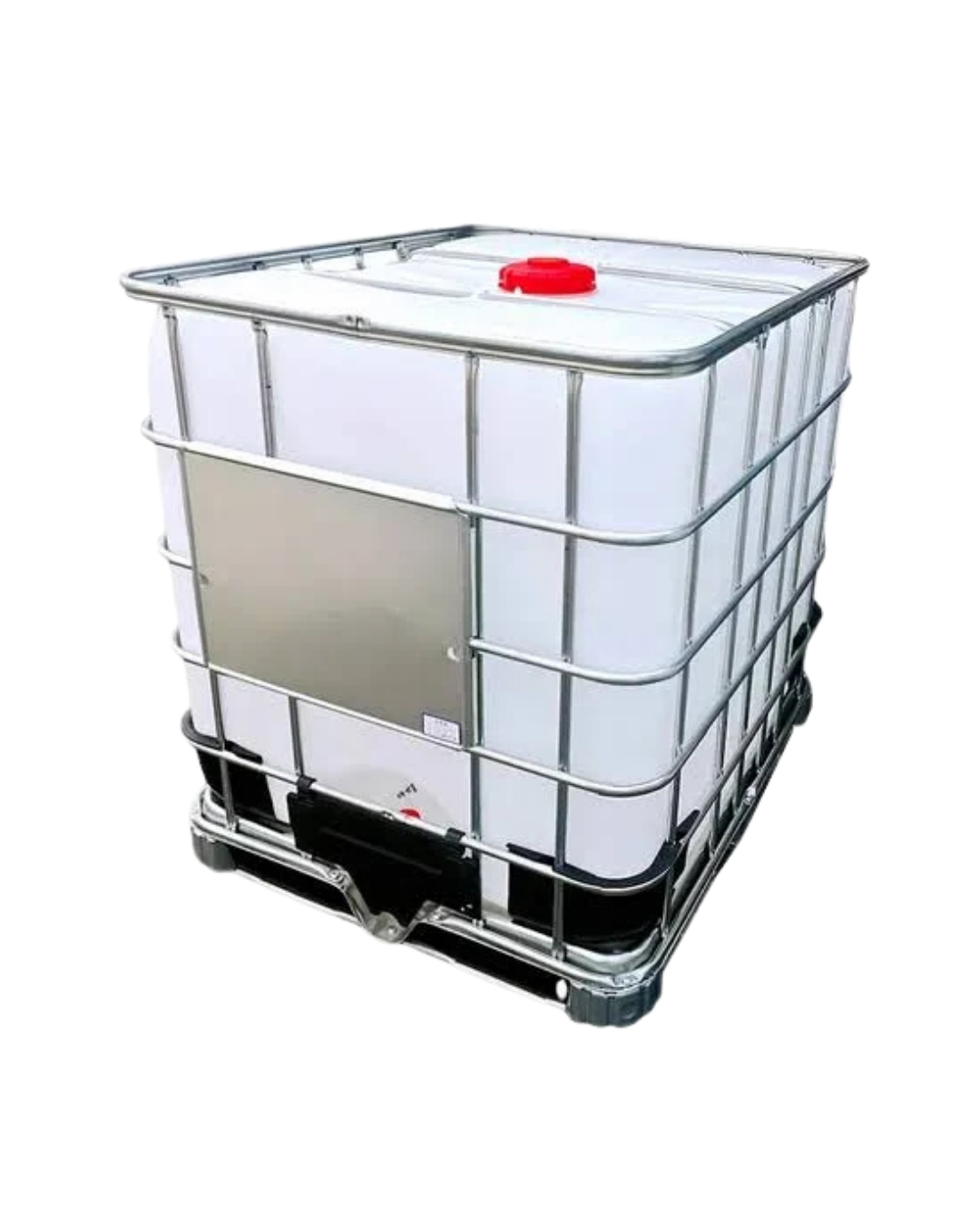
Monoethanolamine (MEA) is a colorless, viscous liquid with a mild ammonia-like odor.
It is an organic chemical compound that contains both an alcohol group and an amine group.
MEA is highly soluble in water and alcohols, making it easy to use in industrial solutions.
It is widely used for gas treatment, especially for removing acidic gases like CO₂ and H₂S from natural gas.
In refineries, it plays a key role in gas sweetening and purification processes.
MEA acts as a pH regulator and neutralizing agent in many chemical reactions.
It is also used in the production of detergents, emulsifiers, pharmaceuticals, and corrosion inhibitors.
MEA has good absorbing capacity and fast reaction kinetics.
It must be handled carefully because it is corrosive and can irritate skin and eyes.
Proper storage and safety measures ensure safe and efficient industrial use.
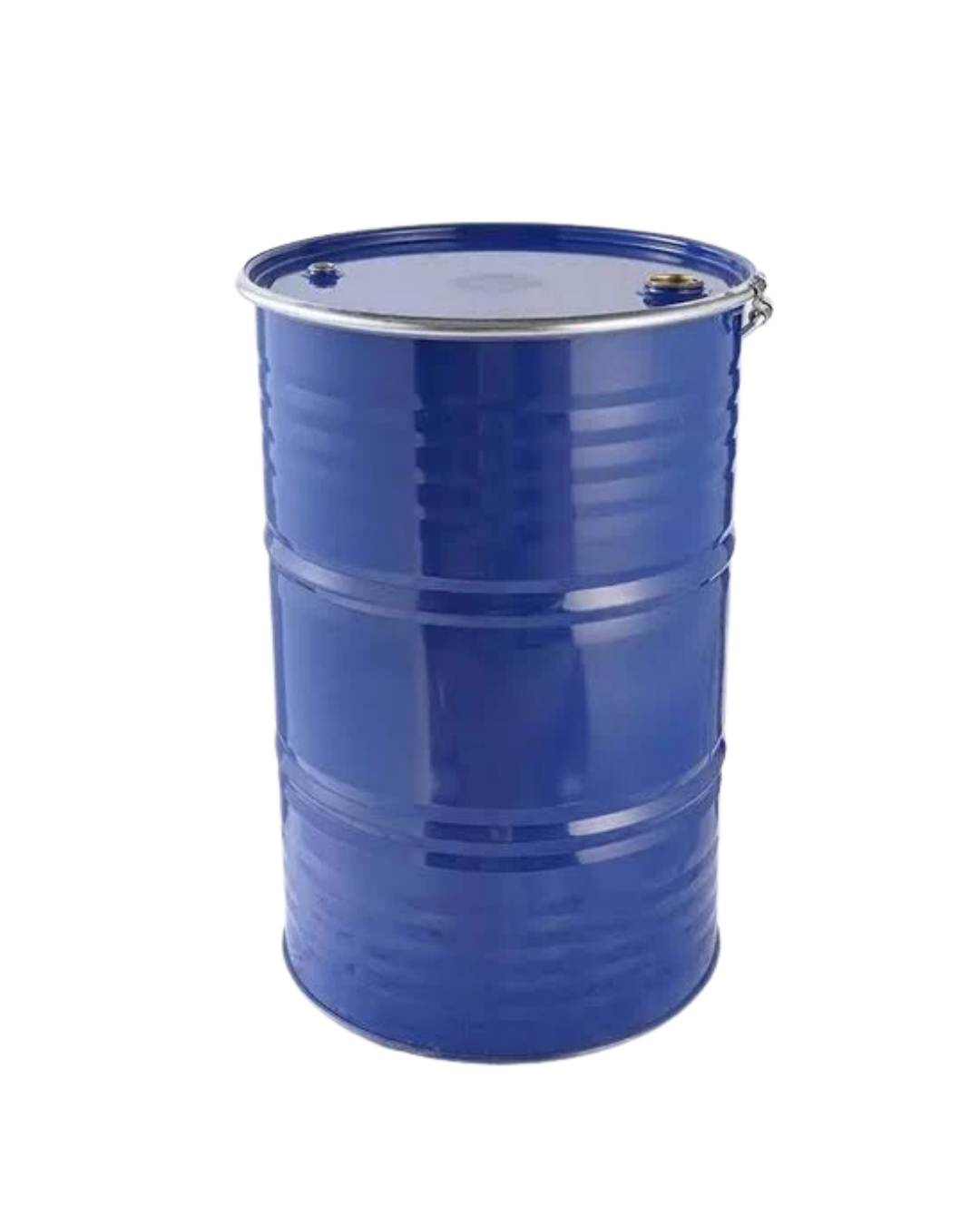
Ethanol 99.9% is a highly pure, clear, colorless, and volatile liquid alcohol.
Chemically, it is an organic compound (C₂H₅OH) with excellent solvent properties.
It is fully miscible with water and many organic solvents.
High-purity ethanol is widely used in pharmaceutical, laboratory, and industrial applications.
It is an effective disinfectant and antiseptic, killing bacteria and viruses.
Ethanol 99.9% is commonly used in chemical synthesis, extraction, and cleaning processes.
It has a low boiling point and fast evaporation rate, making it ideal for rapid drying.
It is highly flammable and requires careful handling and storage.
Proper ventilation and fire safety measures are essential when working with ethanol.
Its high purity ensures consistent performance and minimal contamination.
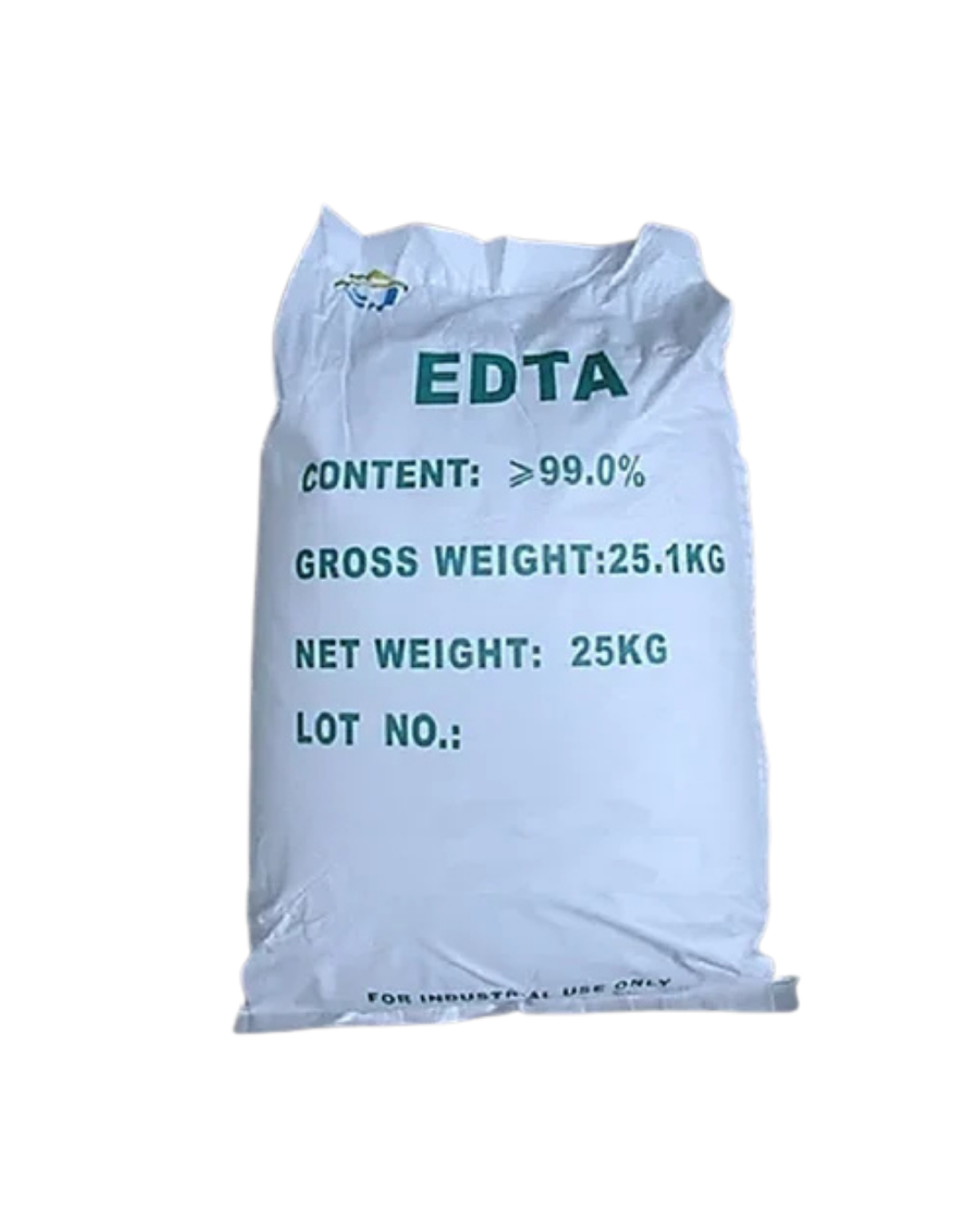
EDTA (Ethylenediaminetetraacetic Acid) is a synthetic organic compound used as a powerful chelating agent.
It binds strongly to metal ions such as calcium, magnesium, iron, and copper.
This binding ability helps remove metal impurities from solutions.
EDTA is widely used in water treatment to soften hard water.
It is used in laboratories for titration and analytical chemistry.
In medicine, EDTA is applied in chelation therapy and as an anticoagulant in blood samples.
It improves stability in detergents, cosmetics, and food products by preventing metal-catalyzed reactions.
EDTA enhances cleaning efficiency by preventing scale formation and mineral deposits.
It is soluble in water and works effectively over a wide pH range.
Its strong chelation ability makes EDTA essential in many industrial, medical, and chemical processes.
Acetic acid is a clear, colorless liquid with a strong, sharp vinegar-like odor.
Its chemical formula is CH₃COOH, and it is a weak organic acid.
It is the main component responsible for the sour taste and smell of vinegar.
Industrial acetic acid is widely used in chemical manufacturing and synthesis.
It is a key raw material for producing vinyl acetate monomer, acetic anhydride, and acetate esters.
Acetic acid is fully miscible with water, alcohol, and many organic solvents.
It has antibacterial properties and is used as a preservative and cleaning agent.
In laboratories, it is used as a reagent, solvent, and pH regulator.
Concentrated acetic acid is corrosive and can cause burns to skin and eyes.
Proper storage and handling are essential to ensure safety and product quality.
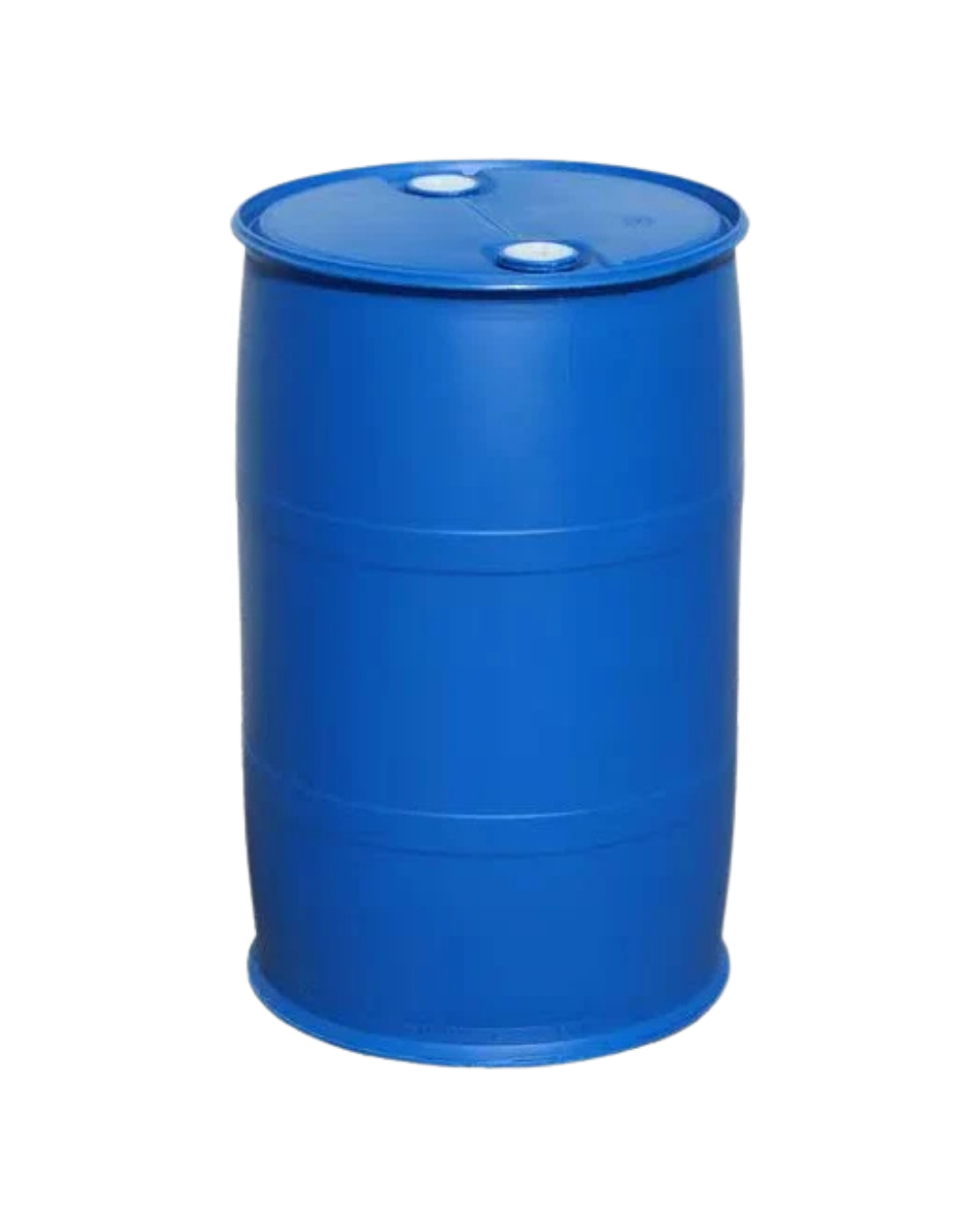
Glycerine is a simple polyol compound, also known as glycerol.
Its chemical formula is C₃H₈O₃.
Product: Glycerin 99.5%
CAS Number: 56-81-5
Purity: 99.5%
Packaging: 5L / 25kg / 250kg
Applications: pharmaceuticals, cosmetics, laboratory reagents
It is a colorless, odorless, and viscous liquid.
Glycerine is highly soluble in water and alcohol.
It has a sweet taste and is non-toxic.
Commonly used as a humectant, retaining moisture in products.
Widely applied in cosmetics, pharmaceuticals, and food as a stabilizer and sweetener.
It is also used in the production of nitroglycerin for explosives.
Glycerine can act as a solvent and lubricant in various industries.
It is biodegradable and safe for most industrial and domestic applications.
Acetic acid is an organic acid responsible for the sour taste and smell of vinegar.
Its chemical formula is CH₃COOH.
Acetic acid 85% is a concentrated, colorless liquid with a strong, pungent odor.
It is completely miscible with water.
It is widely used in chemical manufacturing and industrial processes.
Acetic acid acts as a pH regulator and preservative in many applications.
It is used in the production of acetates, solvents, and polymers.
In diluted form, it is used in food, pharmaceuticals, and cleaning products.
Concentrated acetic acid is corrosive and requires careful handling.
It is an important raw material in textiles, plastics, and food industries.
White Petroleum Jelly is a semi-solid mixture of hydrocarbons derived from refined petroleum.
It appears as a white, odorless, and smooth ointment-like substance.
It is highly purified and suitable for pharmaceutical, cosmetic, and personal care use.
It acts as an effective moisturizer and skin protectant.
It forms a protective barrier that prevents moisture loss.
It is widely used in skin care creams, ointments, and lip products.
In pharmaceuticals, it serves as a base for topical formulations and wound protection.
It is chemically stable and resistant to oxidation and microbial growth.
It is non-irritating, non-toxic, and safe for external application.
Its purity, stability, and protective properties make it essential in medical and cosmetic industries.
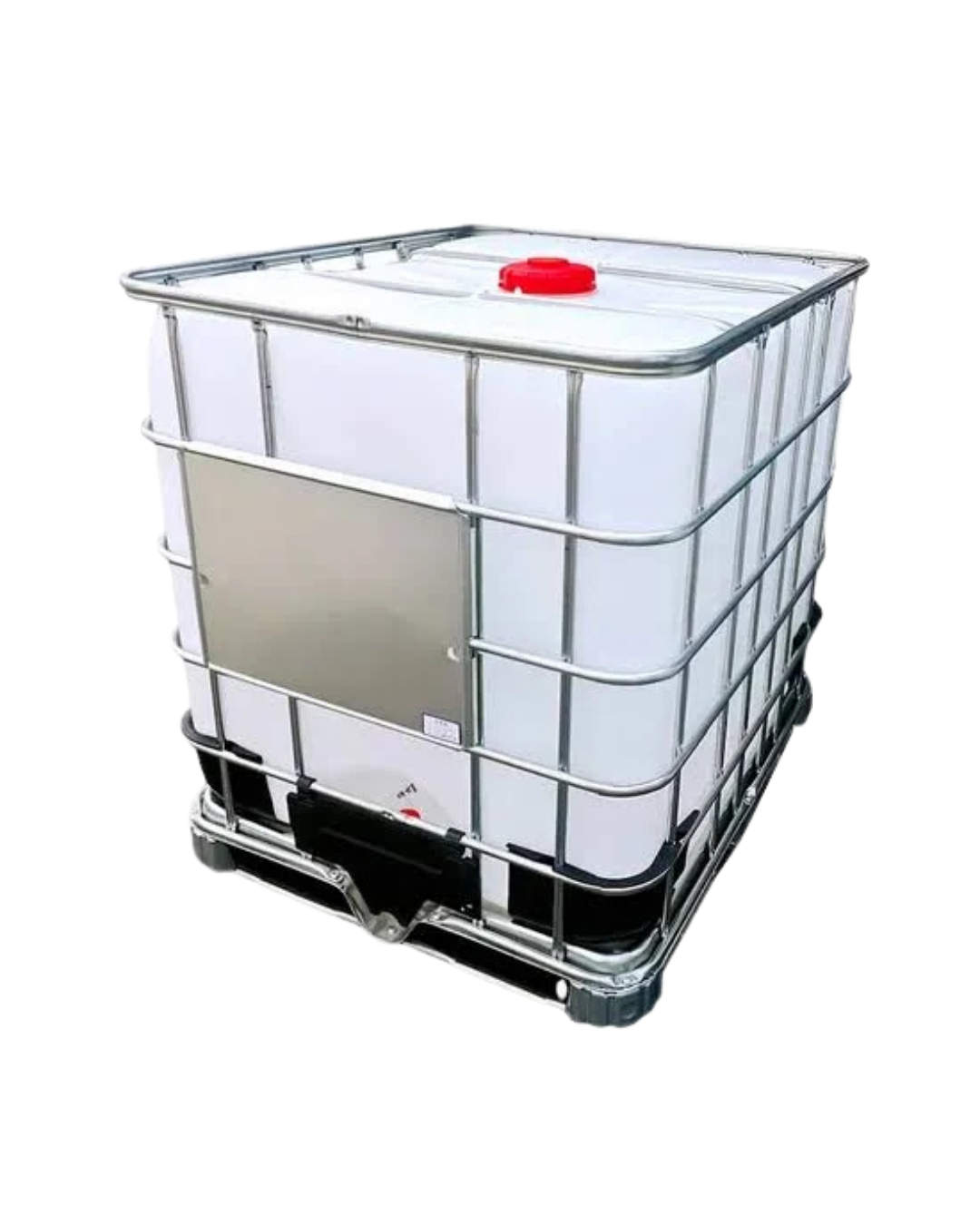
Caustic Soda Liquid 50% is an aqueous solution of sodium hydroxide, a highly alkaline and corrosive chemical.
Synonyms: Sodium Hydroxide Solution, Lye Solution, NaOH 50%.
Scientific formula: NaOH (in water), CAS Number: 1310-73-2.
It appears as a clear to slightly hazy, colorless liquid.
It is widely used in chemical manufacturing, pulp & paper, textile processing, and petroleum refining.
It plays a vital role in pH control, neutralization, and chemical synthesis.
It is commonly applied in water treatment, soap and detergent production, and metal cleaning.
Storage conditions: Store in corrosion-resistant containers (HDPE, stainless steel), in a cool, dry, well-ventilated area, away from acids and reactive metals.
Protect from heat, direct sunlight, and contamination, and ensure containers are tightly sealed.
Due to its strong corrosiveness, strict safety handling procedures and PPE are required.
NP9 (Nonylphenol Ethoxylate, 9 EO) is a non-ionic surfactant widely used in industrial formulations.
Synonyms: Nonylphenol Ethoxylate-9, NPE-9, NP-9.
General chemical formula: C₁₅H₂₄O · (C₂H₄O)₉, CAS Number: 9016-45-9.
It appears as a clear to slightly hazy viscous liquid or paste.
NP9 provides excellent emulsifying, wetting, dispersing, and detergency properties.
It is widely used in detergents, textile processing, leather treatment, and agrochemical formulations.
It is applied in industrial cleaners, degreasers, and emulsifiable concentrates.
It improves soil removal and formulation stability.
Storage conditions: Store in tightly sealed containers, in a cool, dry, well-ventilated place, away from heat, direct sunlight, and strong oxidizing agents.
Its high surface activity and versatility make NP9 essential in industrial cleaning and formulation industries.
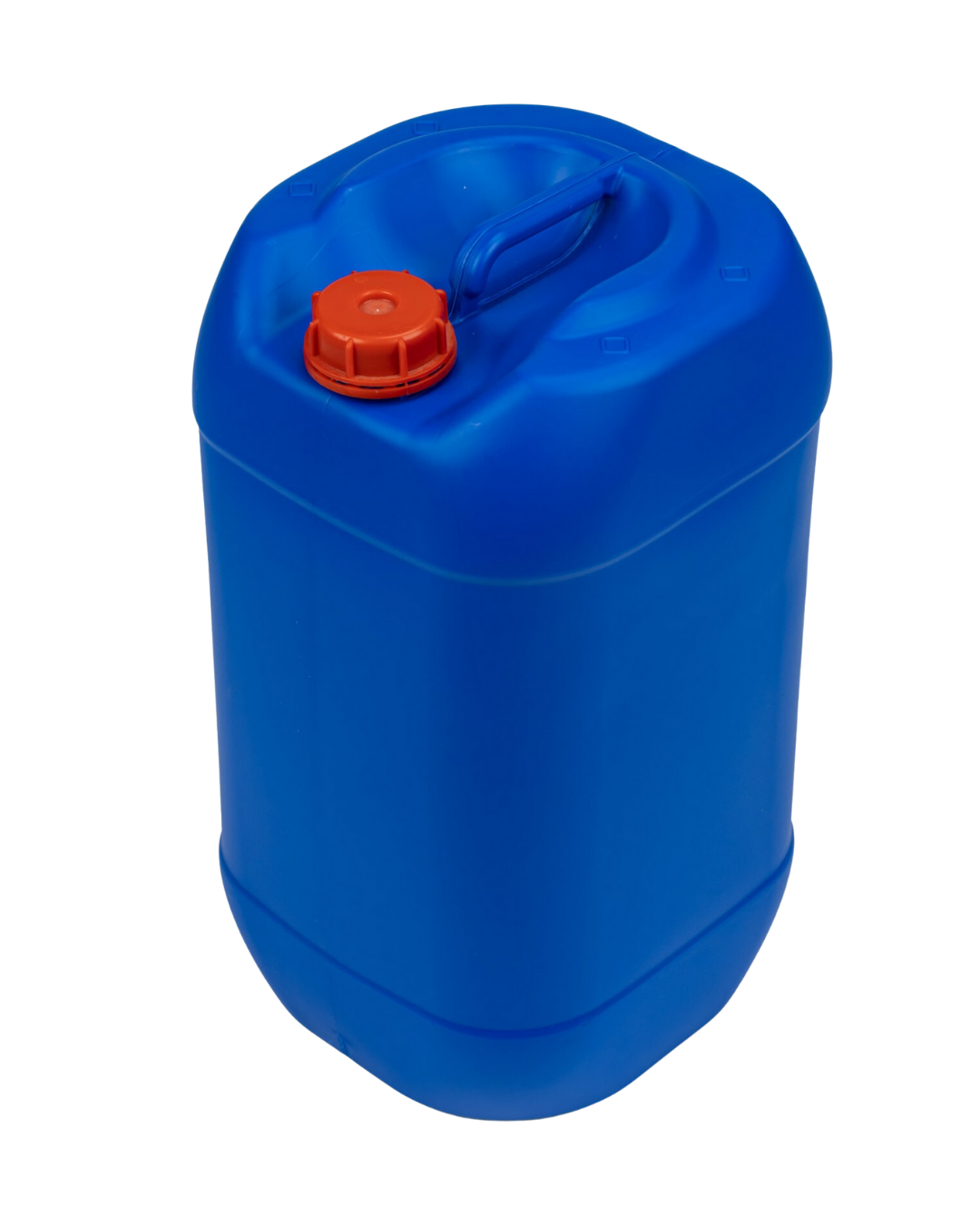
Formaldehyde 37% is a clear, colorless aqueous solution of formaldehyde gas, commonly known as formalin.
Synonyms: Formalin, Methanal Solution, Formol.
Scientific formula: CH₂O (in aqueous solution), CAS Number: 50-00-0.
It has a strong, pungent odor and is highly reactive.
It is widely used in the manufacture of resins, adhesives, plastics, and coatings.
In laboratories and medical fields, it is used as a preservative, disinfectant, and tissue fixative.
It is applied in textile finishing, leather processing, and paper industries.
Formaldehyde 37% is also used in chemical synthesis and biocide formulations.
Storage conditions: Store in tightly sealed containers, in a cool, well-ventilated area, away from heat, direct sunlight, strong oxidizers, and ignition sources.
Due to its toxicity and volatility, strict safety handling procedures and PPE are required.
Isobutanol (IBA) is a colorless, flammable organic solvent with a characteristic alcohol odor.
Synonyms: Isobutyl Alcohol, 2-Methyl-1-propanol.
Scientific formula: C₄H₁₀O, CAS Number: 78-83-1.
It has moderate volatility and good solvency power for resins, oils, and coatings.
It is widely used as a solvent in paints, coatings, inks, and varnishes.
It is an important chemical intermediate in the production of esters, plasticizers, and pharmaceuticals.
It is also applied in adhesives, cleaners, and surface treatment formulations.
It serves as a fuel additive and in biodiesel production processes.
Storage conditions: Store in tightly sealed containers, in a cool, dry, well-ventilated area, away from heat, sparks, open flames, and oxidizing agents.
Its versatility, solvency, and reactivity make isobutanol essential in industrial and chemical manufacturing applications.
Ethyl Acetate is a colorless, volatile, and flammable organic solvent with a pleasant fruity odor.
Synonyms: Ethyl Ethanoate, Acetic Acid Ethyl Ester, EA.
Scientific formula: C₄H₈O₂ (CH₃COOCH₂CH₃), CAS Number: 141-78-6.
It has excellent solvency power and fast evaporation rate.
It is widely used as a solvent in paints, coatings, inks, adhesives, and varnishes.
It is essential in pharmaceutical manufacturing and chemical synthesis.
It is commonly used in food flavor extraction and decaffeination processes.
It is applied in printing, packaging, and electronic cleaning applications.
Storage conditions: Store in tightly closed containers, in a cool, dry, well-ventilated area, away from heat, sparks, open flames, and oxidizing agents.
Its high purity, rapid drying, and versatile solvency make ethyl acetate a key industrial solvent.
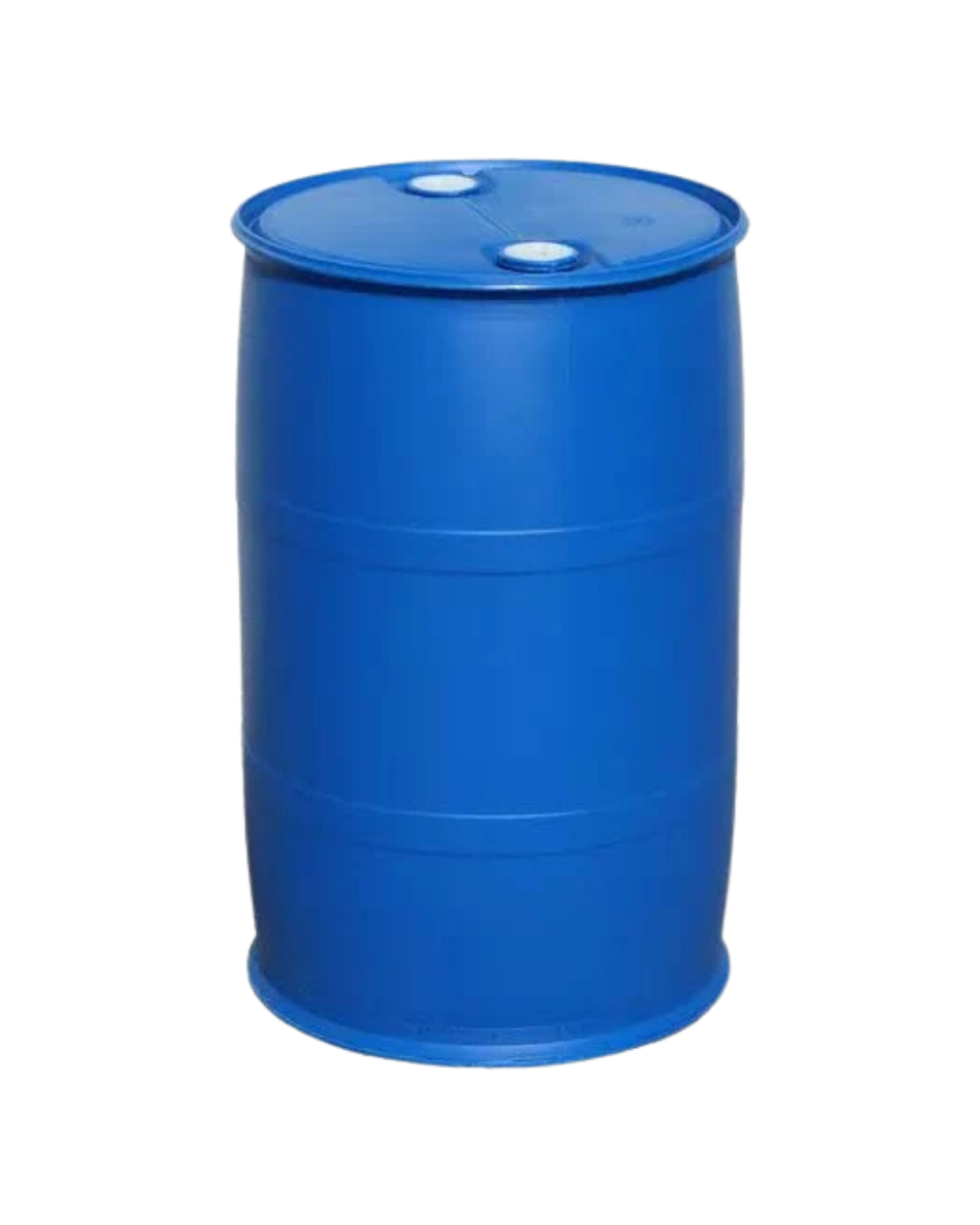
Pearlizing Agent (CETAROL PN) is a cosmetic-grade additive used to impart a pearl-like, glossy appearance to liquid formulations.
Synonyms: Pearlizing Agent, Opacifier, Glycol Distearate (and blends), Pearl Essence.
Typical chemical composition: Blend based on Glycol Distearate, CAS Number: 627-83-8 (main component).
It appears as white to off-white flakes or pellets.
CETAROL PN enhances product aesthetics, opacity, and luxurious appearance.
It is widely used in shampoos, shower gels, liquid soaps, hand washes, and facial cleansers.
It provides a stable pearlescent effect and improves visual appeal.
It is compatible with most surfactant systems.
Storage conditions: Store in tightly sealed containers, in a cool, dry, and well-ventilated area, protected from moisture, heat, and direct sunlight.
Its elegant visual enhancement and formulation stability make CETAROL PN essential in personal care and cosmetic products.
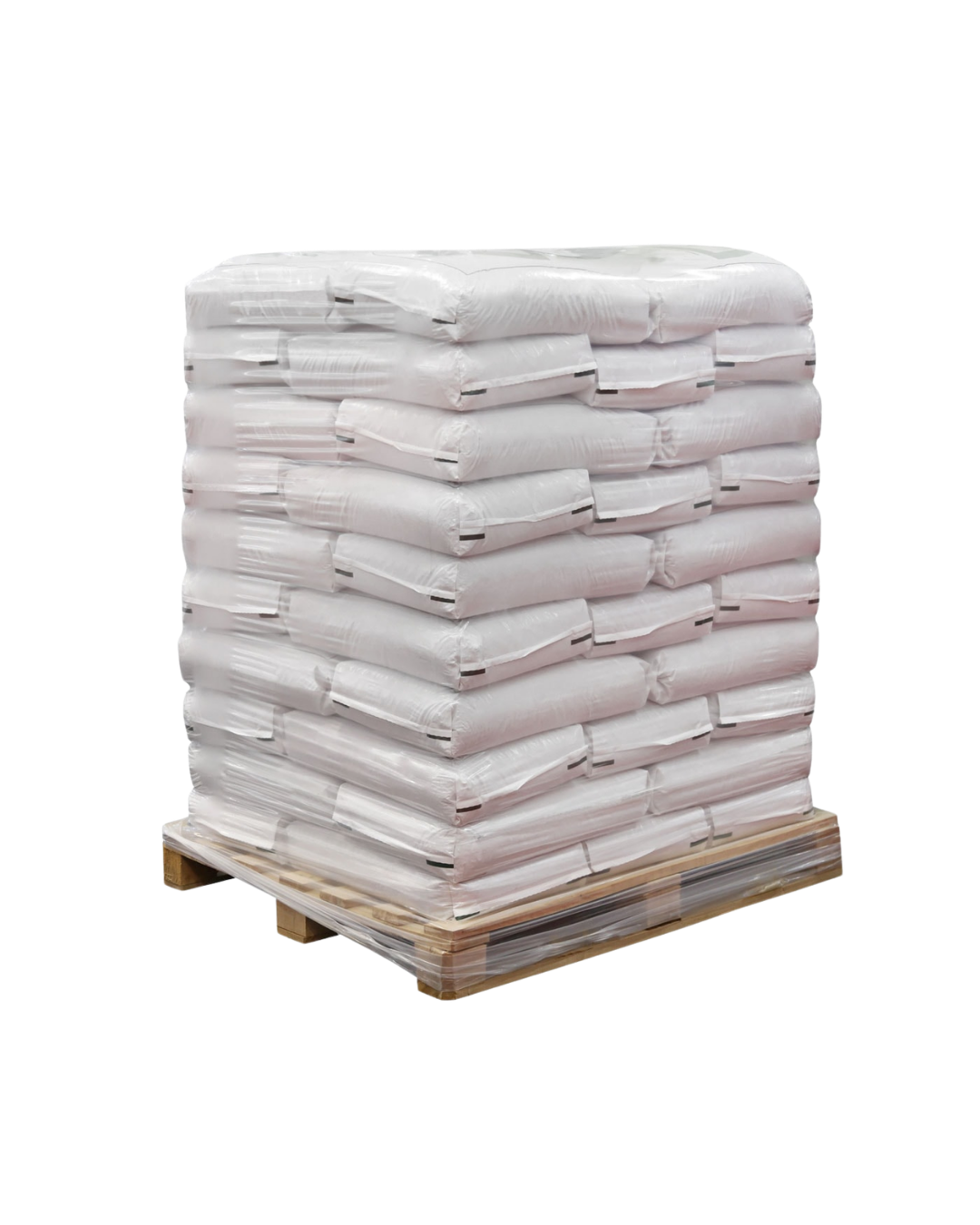
Hydroxypropyl Methyl Cellulose (HPMC) is a non-ionic, water-soluble cellulose ether widely used as a thickener, binder, and film-forming agent.
It appears as a white to off-white fibrous or granular powder with excellent water retention and thermal gelation properties.
Synonyms: Hypromellose, Hydroxypropyl Methylcellulose, Methocel (trade name), Cellulose Hydroxypropyl Methyl Ether.
CAS Number: 9004-65-3.
Scientific Formula: (C₆H₇O₂(OH)₃₋ₓ(OCH₃)ₓ(OCH₂CHOHCH₃)ᵧ)ₙ.
HPMC is soluble in cold water, forming a clear or slightly opalescent viscous solution.
It offers excellent thickening, emulsifying, stabilizing, binding, and film-coating properties.
Applications: Construction materials (tile adhesives, cement renders, gypsum products), pharmaceuticals (tablet binder and coating agent), food industry (stabilizer and thickener), cosmetics, paints, and detergents.
It improves workability, water retention, and open time in construction formulations.
Storage Conditions: Store in a tightly closed container in a cool, dry, and well-ventilated area; protect from moisture and direct sunlight.
Sorbitol is a white, odorless sugar alcohol available as powder or clear viscous liquid.
Its chemical formula is C₆H₁₄O₆, with CAS Number: 50-70-4.
It is widely used as a low-calorie sweetener in food products, especially for diabetic-friendly formulations.
In pharmaceuticals, it is used as a mild laxative and flavor enhancer.
It is commonly applied in cosmetics and personal care products as a humectant and moisturizing agent.
Sorbitol is an important raw material in the production of vitamin C and other chemical intermediates.
It has excellent moisture-retention and texture-improving properties.
Sorbitol is highly soluble in water and safe when used within recommended limits.
Storage conditions: Store in a cool, dry, and well-ventilated area, tightly sealed, away from heat and direct sunlight.
Protect from moisture and contamination to maintain product quality and stability.
BDGE (1,4-Butanediol Diglycidyl Ether) is a low-viscosity, colorless to pale yellow reactive diluent and crosslinking agent.
Synonyms: Butanediol Diglycidyl Ether, 1,4-BDGE, Butane-1,4-diol diglycidyl ether.
Scientific formula: C₁₀H₁₈O₄, CAS Number: 2425-79-8.
It contains two epoxide functional groups, giving it high reactivity.
It is widely used as a reactive diluent in epoxy resin systems.
BDGE improves flow, flexibility, and mechanical properties of cured epoxy formulations.
It is applied in coatings, adhesives, sealants, and composite materials.
It enhances chemical resistance and adhesion in industrial formulations.
Storage conditions: Store in tightly sealed containers, in a cool, dry, and well-ventilated area, away from heat, moisture, acids, and oxidizing agents.
Its high reactivity and performance benefits make BDGE valuable in advanced polymer and coating technologies.
White Spirit is a clear, colorless, petroleum-derived organic solvent widely used for cleaning and thinning.
Synonyms: Mineral Spirits, Stoddard Solvent, Petroleum Spirits.
General chemical formula: Mixture of aliphatic hydrocarbons (approx. C₇–C₁₂), CAS Number: 8052-41-3.
It has moderate volatility and a mild characteristic hydrocarbon odor.
White spirit is commonly used as a paint thinner and solvent in coatings and varnishes.
It is widely applied for degreasing, surface cleaning, and equipment maintenance.
It plays an important role in printing inks, adhesives, and rubber processing.
It is also used in wood preservation and metal cleaning applications.
Storage conditions: Store in tightly closed containers, in a cool, dry, well-ventilated area, away from heat, sparks, open flames, and oxidizing agents.
Its strong solvency and versatility make white spirit essential in industrial, commercial, and construction applications.
Citric Acid Anhydrous is a white, crystalline, odorless organic acid widely used in food, pharmaceutical, and industrial applications.
Synonyms: 2-Hydroxypropane-1,2,3-tricarboxylic Acid, Anhydrous Citric Acid.
Scientific formula: C₆H₈O₇, CAS Number: 77-92-9.
It is the water-free form of citric acid, offering higher stability and longer shelf life.
It acts as a natural acidulant, preservative, and chelating agent.
It is extensively used in food and beverage products for flavor enhancement and pH control.
It is applied in pharmaceutical formulations, cosmetics, and cleaning products.
It plays a key role in detergents, water treatment, and descaling applications.
Storage conditions: Store in tightly sealed containers, in a cool, dry, and well-ventilated area, protected from moisture, heat, and direct sunlight.
Its purity, safety, and multifunctional properties make citric acid anhydrous essential across food, pharma, and industrial sectors.
Tween 80 (Polysorbate 80) is a non-ionic surfactant and emulsifier widely used in pharmaceutical, food, and cosmetic formulations.
Synonyms: Polysorbate 80, Polyoxyethylene (20) Sorbitan Monooleate.
General chemical formula: C₆₄H₁₂₄O₂₆ (approx.), CAS Number: 9005-65-6.
It appears as a clear to amber, viscous liquid.
Tween 80 provides excellent emulsifying, solubilizing, and stabilizing properties.
It is extensively used in injectable pharmaceuticals, vaccines, and oral drug formulations.
It is applied in food products as an emulsifier and stabilizer.
It is widely used in cosmetics and personal care products for gentle emulsification.
Storage conditions: Store in tightly sealed containers, in a cool, dry, and well-ventilated area, protected from heat, moisture, and direct sunlight.
Its safety, versatility, and performance make Tween 80 essential across pharmaceutical, food, and cosmetic industries.
Soda Ash Dense is a high-density form of sodium carbonate, appearing as a white, free-flowing granular powder.
Synonyms: Sodium Carbonate Dense, Dense Ash, Washing Soda (industrial grade).
Scientific formula: Na₂CO₃, CAS Number: 497-19-8.
It is a strong alkaline compound with excellent buffering and pH-regulating properties.
It is widely used in glass manufacturing as a flux to lower melting temperature.
It is essential in detergent, soap, and cleaning product formulations.
It is applied in water treatment for pH adjustment and softening.
It is commonly used in chemical manufacturing, textiles, and paper processing.
Storage conditions: Store in tightly sealed containers, in a cool, dry, and well-ventilated area, protected from moisture and direct sunlight.
Its high purity, density, and alkalinity make soda ash dense vital in industrial and commercial applications.
Caustic Soda Flakes are a highly alkaline, white solid chemical widely used in industrial and chemical processing applications.
They are odorless, hygroscopic flakes that readily absorb moisture and carbon dioxide from the air.
Synonyms: Sodium Hydroxide, Lye, Sodium Hydrate, NaOH, Caustic Soda Solid.
CAS Number: 1310-73-2.
Scientific Formula: NaOH.
Caustic Soda Flakes are strongly corrosive and react exothermically with water and acids.
Applications: Soap and detergent manufacturing, paper and pulp processing, textile treatment, petroleum refining, water treatment, alumina production, and chemical synthesis.
They are also used for pH adjustment, drain cleaning, and biodiesel production.
Storage Conditions: Store in tightly sealed, moisture-proof containers in a cool, dry, well-ventilated area; protect from humidity and direct contact with air.
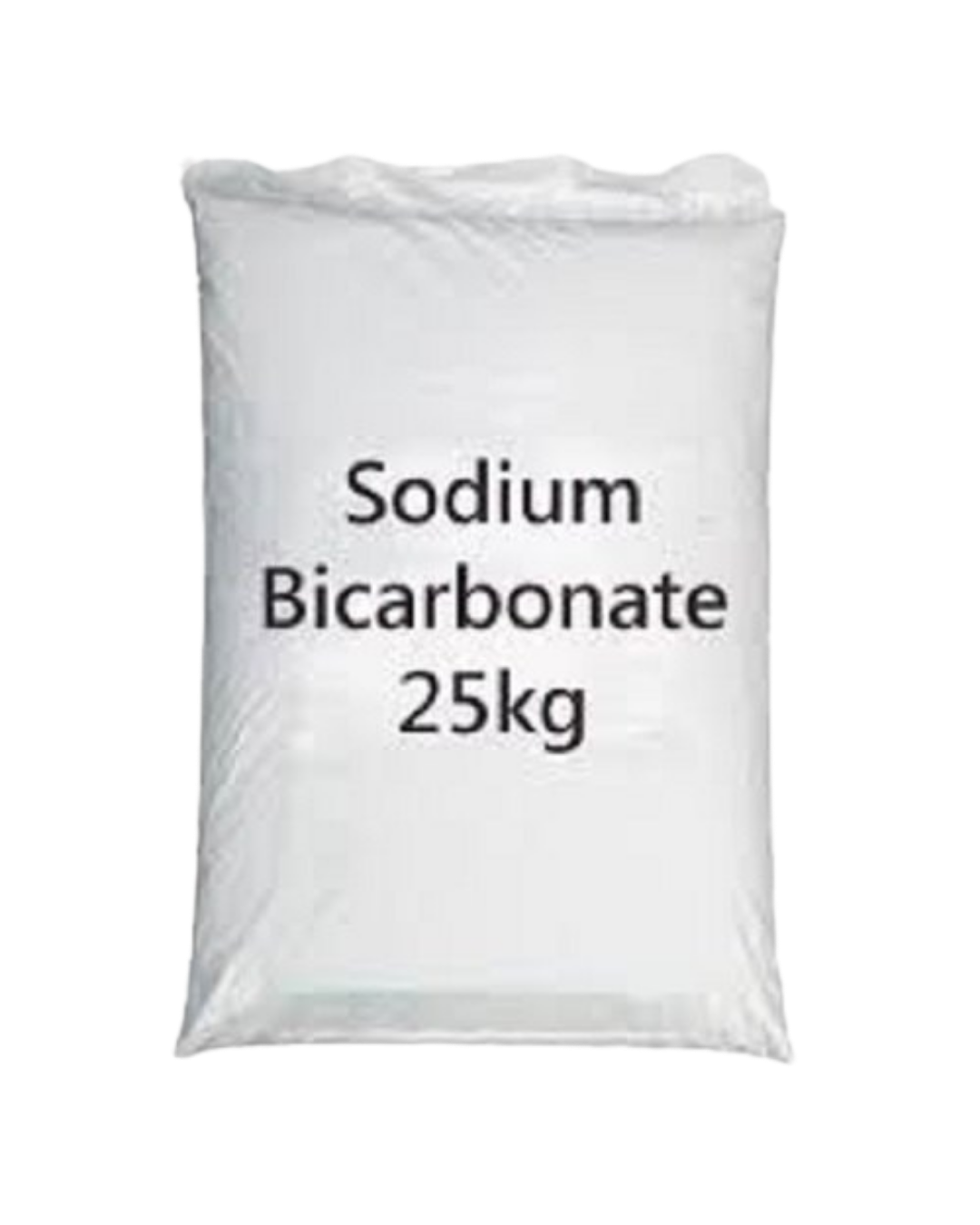
Sodium Bicarbonate (NaHCO₃), commonly known as baking soda, is a white crystalline powder.
It is a mild alkaline compound with buffering properties.
It reacts with acids to release carbon dioxide gas, which causes leavening in baking.
It is widely used in food, pharmaceutical, and household applications.
In medicine, it helps neutralize stomach acid and treat acidosis.
It is used in cleaning products and deodorizing formulations.
In industry, it is applied in fire extinguishers and flue gas treatment systems.
It is effective in water treatment for pH adjustment.
Sodium bicarbonate is non-toxic, biodegradable, and environmentally friendly.
Its safety and versatility make it one of the most widely used chemical compounds worldwide.
Propylene glycol (PGI) is a clear, colorless, odorless, and slightly viscous liquid.
Its chemical formula is C₃H₈O₂, and it is a diol alcohol compound.
It has low toxicity compared to ethylene glycol, making it safer for many applications.
PGI is widely used as a solvent, humectant, and antifreeze agent.
It is commonly found in food, pharmaceuticals, cosmetics, and personal care products.
In HVAC systems, it is used as a heat transfer fluid and coolant.
It is completely miscible with water and many organic solvents.
PGI helps retain moisture and improve texture in food and cosmetic formulations.
It is chemically stable and has good thermal and hygroscopic properties.
Proper storage and handling help maintain its quality and safety.
Monoethanolamine, commonly called MEA, is an organic chemical.
Its chemical formula is C₂H₇NO.
MEA is a colorless, viscous liquid with an ammonia-like odor.
It is soluble in water and alcohol.
MEA acts as a weak base and can react with acids to form salts.
It is widely used in the production of detergents and surfactants.
MEA is also used in gas treatment, especially to remove CO₂ and H₂S from natural gas.
It serves as a chemical intermediate in the manufacture of emulsifiers and pharmaceuticals.
MEA can be corrosive and requires careful handling with protective equipment.
It is an important chemical in industries such as petroleum, cosmetics, and textiles.
Mono ethylene glycol (MEG) is a clear, colorless, odorless, and slightly viscous liquid.
Its chemical formula is C₂H₆O₂, and it belongs to the glycol family of organic compounds.
MEG has a sweet taste but is highly toxic if ingested.
It is mainly used as an antifreeze and coolant in automotive and industrial cooling systems.
MEG lowers the freezing point and raises the boiling point of water-based solutions.
It is a key raw material in the production of polyester fibers and PET plastics.
It has good heat transfer properties, making it suitable for thermal management systems.
MEG is miscible with water and many organic solvents.
It is widely used in HVAC, refrigeration, and heat exchange applications.
Proper handling and storage are essential due to its toxicity and environmental impact.
Polysorbate 20 (Tween 20) is a non-ionic surfactant and emulsifier derived from sorbitol and fatty acids.
It appears as a clear to pale yellow, viscous liquid.
It is widely used to stabilize oil-in-water emulsions.
In food applications, it improves texture, solubility, and product consistency.
In pharmaceuticals, it acts as a solubilizer and stabilizing agent for active ingredients.
It is commonly used in cosmetics and personal care products for gentle cleansing and emulsification.
In laboratories, it helps reduce surface tension and prevent protein aggregation.
It is highly soluble in water and alcohol.
Polysorbate 20 has low toxicity and good biocompatibility.
Its mildness and versatility make it essential in food, pharmaceutical, cosmetic, and biotech industries.
Acetone is a colorless, volatile, and highly flammable organic solvent with a characteristic odor.
Synonyms: Propanone, Dimethyl Ketone, 2-Propanone.
Scientific formula: C₃H₆O, CAS Number: 67-64-1.
It has excellent solvency power and fast evaporation rate.
Acetone is widely used as a solvent in paints, coatings, adhesives, inks, and resins.
It is essential in chemical synthesis and pharmaceutical manufacturing.
It is commonly used for degreasing, cleaning, and surface preparation in industry and laboratories.
Storage conditions: Store in tightly closed containers, in a cool, dry, well-ventilated area, away from heat, sparks, flames, and oxidizing agents.
Use explosion-proof equipment and proper grounding due to its high flammability.
Its high purity, fast drying, and strong solvency make acetone one of the most important industrial solvents.
Butyl Glycol, also known as 2-Butoxyethanol, is a colorless liquid solvent with a mild, ether-like odor.
Synonyms: Ethylene Glycol Monobutyl Ether, Butyl Cellosolve, EGBE.
Scientific formula: C₆H₁₄O₂, CAS Number: 111-76-2.
It has excellent solvency power for both polar and non-polar substances.
It is widely used as a solvent in paints, coatings, inks, and varnishes.
It is a key ingredient in industrial and household cleaning products.
It improves flow, leveling, and drying control in surface coatings.
It is also used in printing, textile processing, and metal degreasing.
Storage conditions: Store in tightly closed containers, in a cool, dry, well-ventilated area, away from heat, sparks, flames, and oxidizing agents.
Its versatility and strong solvency make butyl glycol essential in coatings, cleaning, and industrial formulations.
Phosphoric Acid 85% is a clear, colorless, odorless, and highly concentrated inorganic acid solution.
Synonyms: Orthophosphoric Acid, Phosphoric(V) Acid, H₃PO₄ Solution.
Scientific formula: H₃PO₄, CAS Number: 7664-38-2.
It is a moderately strong acid with excellent buffering and chelating properties.
It is widely used in the food industry as an acidity regulator and flavoring agent.
In fertilizers, it is a key raw material for phosphate fertilizers and nutrient solutions.
It is applied in metal surface treatment, rust removal, and phosphating processes.
It is essential in chemical manufacturing, detergents, and water treatment formulations.
Storage conditions: Store in corrosion-resistant containers, in a cool, dry, well-ventilated area, away from heat, direct sunlight, and incompatible materials.
Its purity, stability, and versatility make phosphoric acid 85% vital across food, agriculture, and industrial sectors.
AOS (Alpha Olefin Sulfonate) is a high-performance anionic surfactant widely used in detergent and cleaning formulations.
Synonyms: Alpha Olefin Sulfonate Sodium Salt, Sodium Alpha Olefin Sulfonate.
General chemical formula: R–SO₃Na (where R = C₁₂–C₁₆ alkyl chain), CAS Number: 68439-57-6.
It appears as a clear to pale yellow liquid or white powder, depending on concentration and form.
AOS provides excellent detergency, foaming, and wetting properties.
It is widely used in liquid detergents, dishwashing liquids, shampoos, and personal care products.
It shows high biodegradability and good skin compatibility.
It performs well in hard water and across a wide pH range.
Storage conditions: Store in tightly sealed containers, in a cool, dry, and well-ventilated area, protected from heat, freezing, and direct sunlight.
Its strong cleaning power and environmental friendliness make AOS essential in household, industrial, and personal care formulations.
Boric Acid is a white, crystalline, odorless inorganic acid widely used in industrial, pharmaceutical, and agricultural applications.
Synonyms: Orthoboric Acid, Boracic Acid, Hydrogen Borate.
Scientific formula: H₃BO₃, CAS Number: 10043-35-3.
It is a weak acid with mild antiseptic and antifungal properties.
It is extensively used in glass and ceramics manufacturing, especially borosilicate glass.
It is applied in pharmaceutical preparations, antiseptics, and eye-care solutions.
It is widely used as an insecticide, wood preservative, and flame retardant.
It plays an important role in nuclear power plants as a neutron absorber.
Storage conditions: Store in tightly sealed containers, in a cool, dry, and well-ventilated area, protected from moisture and direct sunlight.
Its chemical stability and versatility make boric acid essential in industrial, medical, and agricultural sectors.
Product Name: SUNQUAT-TE90H – High-Purity Cationic Surfactant & Fabric Softener Active
Synonyms: Distearyl Dimethyl Ammonium Chloride (DSDMAC), DSDMAC 90%, Quaternary Ammonium Compound, Fabric Softener Base
CAS Number: 107-64-2 (typical reference for DSDMAC-type quats)
Scientific Formula: C₃₈H₈₀ClN
Chemical Type: Quaternary Ammonium Salt – Cationic Surfactant
Appearance: Pale yellow to amber viscous liquid or paste, mild characteristic odor
Solubility: Dispersible in water, soluble in alcohol, insoluble in non-polar solvents
Storage Conditions: Store in tightly closed containers in a cool, dry, well-ventilated place, away from direct sunlight and strong oxidizing agents
Applications: Fabric softeners, textile finishing, hair conditioners, antistatic agents, disinfectant formulations, emulsifier systems
Trisodium Citrate Dihydrate is a white, crystalline, odorless salt commonly used as a buffering and chelating agent.
It is the sodium salt of citric acid and is highly soluble in water.
Synonyms: Sodium Citrate Dihydrate, Trisodium Citrate, Tribasic Sodium Citrate, E331.
CAS Number: 6132-04-3.
Scientific Formula: C₆H₅Na₃O₇·2H₂O.
It functions as a pH regulator, emulsifier, and sequestrant in various formulations.
The product provides excellent stability and compatibility in food, pharmaceutical, and industrial applications.
Applications: Food and beverages (acidity regulator, preservative, emulsifying salt in cheese), pharmaceuticals (anticoagulant in blood collection tubes, buffering agent), detergents, water treatment, and cosmetics.
It enhances shelf life and improves product performance in cleaning and personal care formulations.
Storage Conditions: Store in a tightly closed container in a cool, dry, and well-ventilated area; protect from moisture and direct sunlight.
Ethylene Glycol (MEG) based coolant is a heat-transfer fluid used mainly in engines, HVAC systems, and industrial cooling systems.
Its main function is to absorb heat and carry it away, preventing overheating.
MEG lowers the freezing point of water and raises its boiling point, making the system work safely in extreme temperatures.
Chemically, ethylene glycol is a di-alcohol organic compound with excellent thermal stability.
It prevents freezing in cold weather and boiling in hot conditions, protecting equipment.
Special additives protect metal parts from corrosion, rust, and scale formation.
The coolant also lubricates water pumps and seals, reducing mechanical wear.
It is commonly used in automotive radiators, chillers, and industrial cooling circuits.
MEG-based coolants provide high heat transfer efficiency and long service life.
For safety, it must be handled carefully because ethylene glycol is toxic if ingested.
MPG Food Grade (Mono Propylene Glycol) is a high-purity, colorless, odorless, and slightly viscous liquid.
It is considered safe for food, pharmaceutical, and cosmetic applications.
MPG acts as a humectant, solvent, and stabilizer in many food products.
It helps retain moisture and improve texture in processed foods.
It is widely used in flavorings, food colorings, and beverage formulations.
In pharmaceuticals, it serves as a carrier for active ingredients.
MPG is also used in cosmetics and personal care products to enhance smoothness and stability.
It has low toxicity and is approved by major food safety authorities.
It is fully miscible with water and many organic solvents.
Its safety, stability, and versatility make MPG Food Grade essential in food and healthcare industries.
Mono ethylene glycol (MEG) is a clear, colorless, odorless, and slightly viscous liquid.
Its chemical formula is C₂H₆O₂, and it belongs to the glycol family of organic compounds.
MEG has a sweet taste but is highly toxic if ingested.
It is mainly used as an antifreeze and coolant in automotive and industrial cooling systems.
MEG lowers the freezing point and raises the boiling point of water-based solutions.
It is a key raw material in the production of polyester fibers and PET plastics.
It has good heat transfer properties, making it suitable for thermal management systems.
MEG is miscible with water and many organic solvents.
It is widely used in HVAC, refrigeration, and heat exchange applications.
Proper handling and storage are essential due to its toxicity and environmental impact.
Methanol is a clear, colorless, and highly flammable liquid with a mild alcoholic odor.
Its chemical formula is CH₃OH, and it is the simplest form of alcohol.
It is highly toxic if ingested, inhaled, or absorbed through the skin.
Methanol is widely used as an industrial solvent and chemical feedstock.
It is a key raw material in the production of formaldehyde, acetic acid, and fuels.
It is commonly used as antifreeze, fuel, and fuel additive.
Methanol burns with a nearly invisible blue flame, which can be a safety hazard.
It is completely miscible with water and many organic solvents.
It is used in laboratories, pharmaceuticals, and biodiesel production.
Strict safety measures are required during handling, storage, and transportation.
Zeolite is a crystalline, microporous aluminosilicate mineral widely used as an adsorbent, ion-exchanger, and catalyst support.
Synonyms: Molecular Sieve, Aluminosilicate, Zeolitic Mineral.
General chemical formula: Mₓ/n[(AlO₂)ₓ(SiO₂)ᵧ] · mH₂O, where M represents alkali or alkaline earth metals.
CAS Number: 1318-02-1 (natural zeolite, general).
Zeolite has a high surface area and uniform pore structure, enabling selective adsorption and separation.
It is extensively used in water treatment for softening and heavy metal removal.
It plays a major role in gas drying, air separation, and odor control systems.
Zeolite is widely applied as a catalyst and catalyst carrier in petrochemical and refining industries.
Storage conditions: Store in a dry, cool, well-ventilated place, in tightly sealed containers to prevent moisture absorption.
Its unique structure and multifunctional properties make Zeolite essential in industrial, environmental, and agricultural applications.
Ascorbic acid is commonly known as Vitamin C.
Its chemical formula is C₆H₈O₆.
It appears as a white to slightly yellow crystalline powder.
It is highly soluble in water but insoluble in fats.
Ascorbic acid acts as a powerful antioxidant, preventing oxidation in foods.
It is widely used in the food and beverage industry to preserve color and freshness.
Food-grade ascorbic acid is safe for human consumption.
It helps in fortifying foods to prevent Vitamin C deficiency.
It can also enhance flavor and extend shelf life of processed foods.
Common applications include juices, canned fruits, baked goods, and supplements.
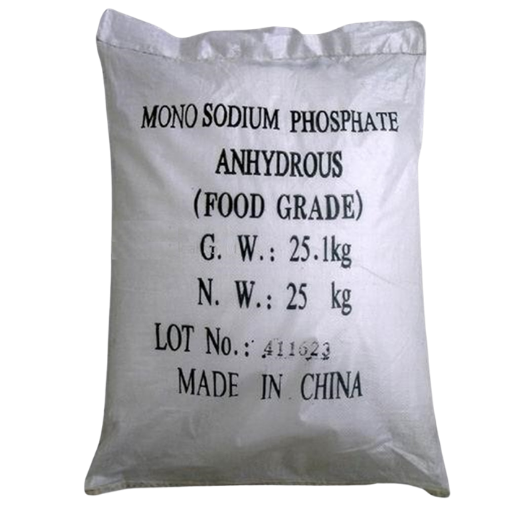
Monosodium Phosphate Anhydrous (NaH₂PO₄) is a white, crystalline, water-soluble powder.
It is the anhydrous (water-free) form of monosodium phosphate, offering higher purity and stability.
It acts as an effective acidifying agent and pH buffer.
It is widely used in food processing as a flavor enhancer and acidity regulator.
In pharmaceuticals, it is used as a buffer and electrolyte source.
It plays an important role in water treatment and boiler chemistry.
It is used in cleaning agents and detergent formulations.
It supports metal surface treatment and corrosion control processes.
It is highly soluble and provides consistent performance in various formulations.
Its purity and functional versatility make it valuable in food, pharmaceutical, and industrial applications.
Calcium Chloride (CaCl₂) is a white, crystalline, and highly hygroscopic inorganic salt.
It readily absorbs moisture from the air and dissolves easily in water.
Its dissolution is highly exothermic, releasing significant heat.
It is widely used as a de-icing and dust control agent.
In industry, it is applied in drying, dehydration, and humidity control processes.
It is used in food processing as a firming agent and preservative.
In construction, it accelerates concrete setting and strength development.
It plays an important role in oil & gas drilling fluids and completion fluids.
Calcium chloride improves road stability and reduces airborne dust.
Its strong moisture absorption and versatility make it essential in many industrial and commercial applications.
Acetic Acid is a clear, colorless organic acid with a strong, pungent vinegar-like odor.
Synonyms: Ethanoic Acid, Methanecarboxylic Acid, Vinegar Acid.
Scientific formula: C₂H₄O₂ (CH₃COOH), CAS Number: 64-19-7.
It is a weak organic acid but highly reactive in chemical processes.
It is widely used in the manufacture of vinyl acetate monomer, acetic anhydride, and esters.
In the food industry, diluted acetic acid is used as vinegar and acidity regulator.
It is applied in textile dyeing, leather processing, and printing industries.
It serves as an effective solvent, preservative, and pH regulator.
Storage conditions: Store in tightly sealed, corrosion-resistant containers, in a cool, dry, and well-ventilated area, away from heat, oxidizers, and direct sunlight.
Its wide industrial usage and chemical versatility make acetic acid a key raw material in many sectors.
Here is a professional 10-line description in English, including synonyms, CAS number, chemical formula, storage conditions, applications, and SEO TAGs:
Potassium Sodium Tartrate (Rochelle Salt) is a white, crystalline, water-soluble double salt of tartaric acid.
Synonyms: Rochelle Salt, Seignette Salt, Sodium Potassium Tartrate Tetrahydrate.
Scientific formula: KNaC₄H₄O₆ · 4H₂O, CAS Number: 6381-59-5.
It is widely used in laboratory analysis, electroplating, and pharmaceutical formulations.
In analytical chemistry, it acts as a complexing and stabilizing agent.
It is applied in Fehling’s solution and other copper-based reagents.
Rochelle salt is also used in piezoelectric crystals, sensors, and electronic components.
It finds applications in food processing as a buffering and emulsifying agent.
Storage conditions: Store in tightly sealed containers, in a cool, dry, and well-ventilated area, protected from moisture and direct sunlight.
Its chemical versatility and unique electrical properties make it valuable in laboratory, industrial, food, and electronic applications.
Cocamidopropyl Betaine 45% (CAPB 45%) is a mild, amphoteric surfactant derived from coconut fatty acids.
Synonyms: CAPB, Coco Betaine, Cocamidopropyl Dimethyl Betaine.
General chemical formula: C₁₉H₃₈N₂O₃ (typical structure), CAS Number: 61789-40-0.
It appears as a clear to pale yellow viscous liquid.
It provides excellent foam boosting, detergency, and mild cleansing properties.
It is widely used in shampoos, body washes, liquid soaps, and facial cleansers.
It improves skin compatibility and reduces irritation when combined with other surfactants.
It is compatible with anionic, nonionic, and cationic surfactant systems.
Storage conditions: Store in tightly sealed containers, in a cool, dry, well-ventilated area, protected from heat, direct sunlight, and freezing.
Its mildness, versatility, and good foaming performance make CAPB 45% essential in personal care and cosmetic formulations.
BKC 50% (Benzalkonium Chloride 50%) is a clear to pale yellow aqueous solution of a quaternary ammonium compound used as a disinfectant and surfactant.
Synonyms: Benzalkonium Chloride, Alkyldimethylbenzylammonium Chloride, BAC.
General chemical formula: C₆H₅CH₂N(CH₃)₂RCl (R = C₈–C₁₈ alkyl), CAS Number: 8001-54-5.
It exhibits strong antimicrobial, antiseptic, and biocidal properties.
It is widely used in disinfectants, sanitizers, and surface cleaning formulations.
It is applied in water treatment, swimming pool chemicals, and algicide formulations.
It is also used in pharmaceutical, cosmetic, and ophthalmic preparations.
BKC provides excellent surfactant and corrosion inhibition properties.
Storage conditions: Store in tightly sealed containers, in a cool, dry, and well-ventilated area, protected from heat, direct sunlight, and incompatible chemicals.
Its strong antimicrobial action and versatility make BKC 50% essential in hygiene, healthcare, and industrial sanitation applications.
Cocamidopropyl Betaine 35% (CAPB 35%) is a mild, amphoteric surfactant derived from coconut fatty acids, widely used in personal care and detergent formulations.
Synonyms: CAPB, Coco Betaine, Cocamidopropyl Dimethyl Betaine.
General chemical formula: C₁₉H₃₈N₂O₃ (typical structure), CAS Number: 61789-40-0.
It appears as a clear to pale yellow viscous liquid.
It provides excellent foam boosting, cleansing, and emulsifying properties.
It is extensively used in shampoos, body washes, liquid soaps, hand washes, and facial cleansers.
It enhances mildness and skin compatibility, reducing irritation from harsher surfactants.
It is compatible with anionic, nonionic, and cationic surfactant systems.
Storage conditions: Store in tightly sealed containers, in a cool, dry, and well-ventilated area, protected from heat, freezing, and direct sunlight.
Its gentle performance and versatility make CAPB 35% essential in cosmetic, personal care, and detergent industries.
SLES 70% (Sodium Lauryl Ether Sulphate 70%) is a high-performance anionic surfactant widely used in personal care and cleaning formulations.
It appears as a viscous, clear to pale yellow paste with excellent foaming and cleansing properties.
Synonyms: Sodium Laureth Sulfate, Sodium Lauryl Ether Sulfate, SLES, SLES 2EO, Texapon N70 (trade name).
CAS Number: 68891-38-3.
Scientific Formula: CH₃(CH₂)₁₀CH₂(OCH₂CH₂)nOSO₃Na (where n ≈ 2–3 ethoxy units).
It provides strong detergency, emulsification, and wetting performance even in hard water conditions.
Applications: Shampoos, liquid soaps, shower gels, facial cleansers, dishwashing liquids, car wash shampoos, and industrial cleaners.
SLES 70% is compatible with amphoteric and nonionic surfactants, making it ideal for blended formulations.
Storage Conditions: Store in tightly closed containers in a cool, dry, well-ventilated area at 20–30°C; protect from direct sunlight and avoid freezing.
Diethyl Hexanol (commonly 2-Ethylhexanol) is a colorless liquid alcohol with a mild, characteristic odor.
It is an organic compound widely used as a chemical intermediate in industrial manufacturing.
It has low water solubility but mixes well with most organic solvents.
Its main application is in the production of plasticizers, especially for PVC plastics.
It is also used in making acrylates, surfactants, lubricants, and fuel additives.
Diethyl Hexanol provides good chemical stability and flexibility enhancement in polymer products.
It has a high boiling point, making it suitable for high-temperature industrial processes.
It is commonly used in coatings, adhesives, sealants, and inks.
Proper handling is required because it can irritate skin, eyes, and respiratory system.
Its versatility makes it an important building block in the chemical industry.
Ammonia Solution 25% is a clear, colorless liquid containing 25% ammonia gas dissolved in water.
It has a strong, sharp odor characteristic of ammonia.
Chemically, it is a basic (alkaline) solution with high reactivity.
It is widely used in chemical manufacturing, laboratories, and industrial cleaning.
The solution acts as a pH regulator and neutralizing agent for acids.
It is commonly used in fertilizer production, water treatment, and textile processing.
Ammonia solution is effective for removing grease, oils, and contaminants.
It plays an important role in gas scrubbing and emission control systems.
Proper handling is essential because it is corrosive and can irritate skin, eyes, and lungs.
Safe storage and ventilation ensure efficient and safe industrial use.
Tripropylene Glycol (TPG) is a colorless, odorless, and viscous organic liquid.
It belongs to the glycol family and is made from propylene oxide.
TPG is mainly used as a solvent, plasticizer, and chemical intermediate.
It has low volatility and high boiling point, making it stable at elevated temperatures.
TPG is miscible with water and many organic solvents.
It is widely used in coatings, inks, resins, and cleaning formulations.
In industry, it helps improve flow, flexibility, and film formation.
It is also used in hydraulic fluids and heat transfer fluids.
TPG has low toxicity compared to many industrial solvents, but safe handling is still required.
Its chemical stability and versatility make it valuable in many industrial applications.
Formic Acid 85% is a concentrated aqueous solution of formic acid, a colorless, pungent organic acid.
It is the simplest carboxylic acid, naturally found in ant venom and some plants.
The 85% concentration provides high reactivity and strong acidity for industrial use.
It is widely used in leather processing, textile dyeing, and rubber manufacturing.
In agriculture, it is used as a preservative and antibacterial agent in animal feed.
It acts as an effective pH regulator and reducing agent in chemical processes.
Formic acid is also used in metal cleaning and descaling applications.
It is biodegradable and breaks down into carbon dioxide and water.
Due to its corrosive nature, it requires careful handling and proper safety measures.
Its versatility makes Formic Acid 85% important in many industrial and agricultural sectors.
Caustic Soda Liquid (Sodium Hydroxide Solution – NaOH)
Caustic soda liquid is an aqueous solution of sodium hydroxide (NaOH), a strong alkali.
It is colorless, odorless, and highly corrosive to skin, eyes, and many materials.
It is commonly used in chemical manufacturing, soap and detergent production, and water treatment.
It easily dissolves in water, releasing heat in an exothermic reaction.
It has a very high pH, typically above 13, making it a powerful neutralizing agent for acids.
It is used for cleaning, degreasing, and removing organic deposits in industrial systems.
In the paper industry, it helps in pulping and bleaching processes.
In the food industry, food-grade NaOH is used in controlled amounts for cleaning and processing.
It reacts with fats and oils to produce soap through a process called saponification.
Due to its corrosive nature, it must be handled with proper safety equipment and storage conditions.
Isopropyl alcohol (IPA) 99% is a clear, colorless, and highly flammable liquid.
Its chemical formula is C₃H₈O, also known as 2-propanol.
It has a sharp, characteristic alcoholic odor and evaporates quickly.
IPA 99% is widely used as a disinfectant, antiseptic, and cleaning solvent.
It is highly effective in removing oils, greases, inks, and residues.
It is commonly used in electronics cleaning due to its fast drying and low residue.
IPA is miscible with water and most organic solvents.
It is used in pharmaceutical, cosmetic, laboratory, and industrial applications.
Due to its high purity, IPA 99% is ideal for precision cleaning tasks.
Proper storage away from heat and ignition sources is essential because of its flammability.
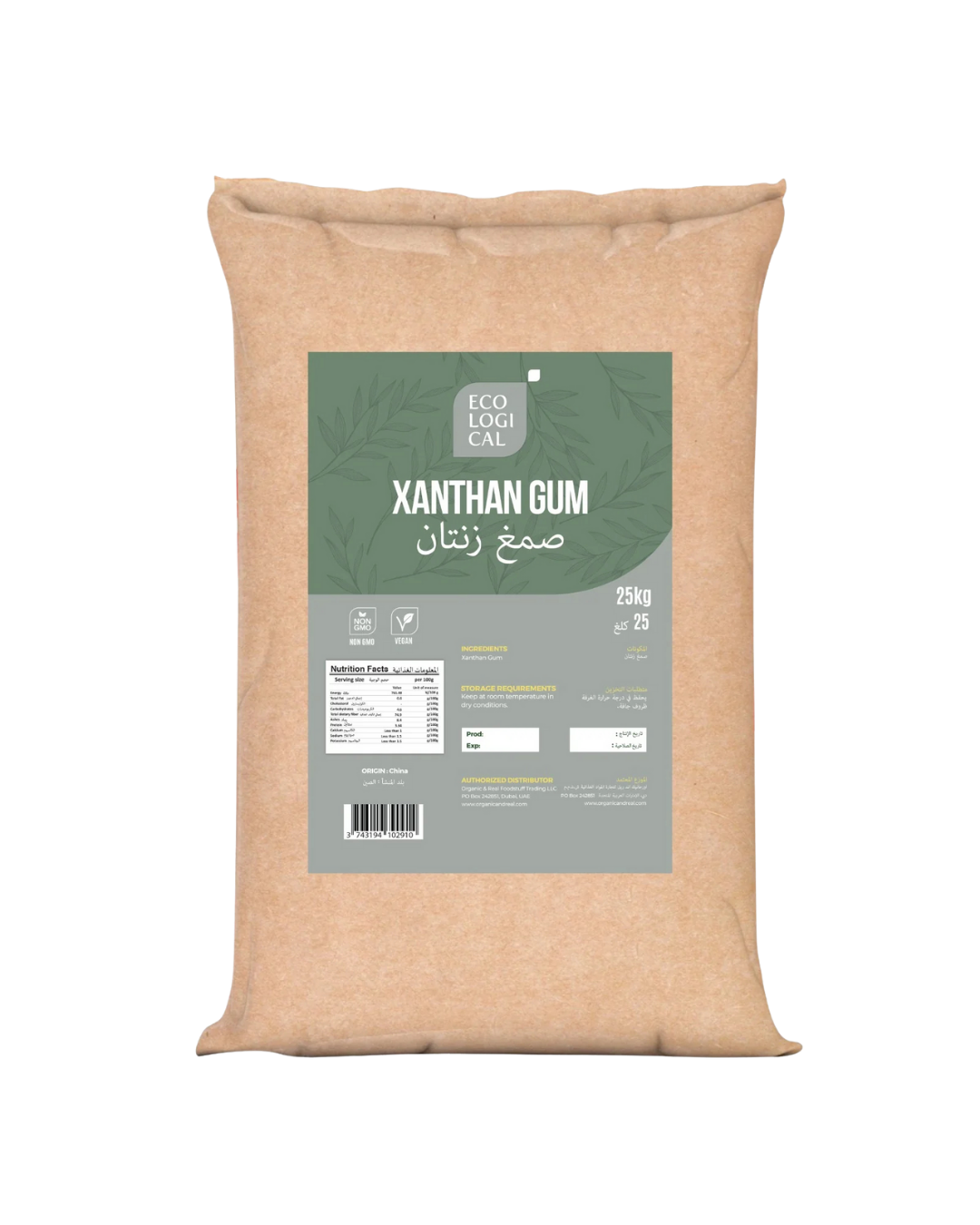
Xanthan gum is a natural polysaccharide produced by bacterial fermentation.
Its chemical formula is complex, as it is a high-molecular-weight carbohydrate.
It appears as a white to yellowish powder.
It is highly soluble in water, forming a thick, viscous solution.
Xanthan gum is widely used as a thickening agent and stabilizer in foods.
It helps prevent ingredients from separating, improving texture and consistency.
It is used in gluten-free baking to give dough elasticity.
Xanthan gum is also applied in cosmetics, pharmaceuticals, and industrial products.
It is safe for consumption and generally non-toxic.
It is effective even at small concentrations, making it economical and versatile.
Sodium Metabisulfite (SMBS), food grade, is a white crystalline powder with a mild sulfur odor.
Chemically, it is an inorganic salt with the formula Na₂S₂O₅.
It is highly soluble in water, forming a slightly acidic solution.
SMBS is widely used in the food industry as a preservative and antioxidant.
It prevents oxidation, browning, and microbial growth in food products.
Common applications include dried fruits, juices, wine, beer, and processed foods.
It also acts as a bleaching and dough conditioning agent in food processing.
Food-grade SMBS meets strict purity and safety standards for human consumption.
It should be handled carefully because it can release sulfur dioxide gas when in contact with acids.
Proper storage ensures product stability, safety, and long shelf life.
DEA (Diethanolamine) is a colorless to pale yellow, viscous organic liquid with a mild ammonia-like odor.
It is both an amine and an alcohol, giving it excellent chemical reactivity.
DEA is widely used as a surfactant intermediate and emulsifier.
It helps control pH and corrosion in industrial formulations.
It is commonly used in detergents, shampoos, soaps, and cleaning products.
In gas treatment, DEA is applied for acid gas removal (CO₂ and H₂S absorption).
It is used in metalworking fluids and textile processing.
DEA improves foam stability and cleaning efficiency.
It is soluble in water and many organic solvents.
Its multifunctional properties make DEA important in chemical, industrial, and personal care applications.
Sodium Metabisulphite is a white to slightly yellow crystalline powder with a characteristic sulfur dioxide odor.
Synonyms: Sodium Pyrosulfite, Disodium Metabisulfite, SMBS.
Scientific formula: Na₂S₂O₅, CAS Number: 7681-57-4.
It acts as a strong reducing agent and antioxidant.
It is widely used in food processing as a preservative and anti-browning agent.
In water treatment, it is applied for dechlorination and oxygen scavenging.
It is commonly used in textile, leather, and paper industries.
It plays an important role in photographic processing and chemical manufacturing.
Storage conditions: Store in tightly sealed containers, in a cool, dry, and well-ventilated place, away from moisture, heat, and oxidizing agents.
Its stability, reducing power, and versatility make sodium metabisulphite essential in food, industrial, and water treatment applications.
Activated Carbon is a highly porous, black, granular or powdered material with a large surface area.
Synonyms: Activated Charcoal, Carbon Adsorbent, AC.
Chemical formula: Primarily carbon (C), sometimes with trace hydrogen, oxygen, and ash; CAS Number: 7440-44-0.
It is produced from carbon-rich materials like coal, wood, or coconut shells through activation processes.
Activated carbon has excellent adsorption capacity for gases, odors, and organic compounds.
It is widely used in water and air purification, wastewater treatment, and chemical recovery.
It is applied in food and beverage processing, pharmaceuticals, and gas masks.
It is also used in gold recovery, solvent recovery, and environmental remediation.
Storage conditions: Store in a cool, dry, well-ventilated area, away from moisture, strong oxidizers, and ignition sources; keep containers tightly closed.
Its high porosity, chemical stability, and adsorption ability make activated carbon essential in industrial, environmental, and healthcare applications.
Potassium Hydroxide (KOH) is a white, odorless, highly corrosive inorganic alkali, available in flakes, pellets, or solution form.
Synonyms: Caustic Potash, Potash Lye, Potassium Hydrate.
Scientific formula: KOH, CAS Number: 1310-58-3.
It is highly soluble in water, releasing heat and forming a strong alkaline solution.
It is widely used in soap and detergent manufacturing, especially liquid soaps.
It plays a major role in chemical synthesis, pH regulation, and neutralization processes.
It is essential in battery electrolyte production, biodiesel manufacturing, and food processing.
It is applied in water treatment, textile processing, and metal cleaning.
Storage conditions: Store in tightly sealed, moisture-proof containers, in a cool, dry, and well-ventilated area, away from acids, metals, and humidity.
Due to its high corrosiveness, strict safety handling procedures and PPE are required.
Sodium Lauryl Ether Sulphate (SLES 70%) is a high-foaming anionic surfactant widely used in detergents and personal care products.
Synonyms: SLES, Sodium Laureth Sulfate, AES (Alcohol Ether Sulfate).
General chemical formula: RO(CH₂CH₂O)ₙSO₃Na (n ≈ 2–3), CAS Number: 68585-34-2.
It appears as a clear to pale yellow viscous liquid or paste.
It provides excellent detergency, emulsification, and foaming properties.
It is extensively used in shampoos, liquid soaps, shower gels, and hand wash products.
It is also applied in dishwashing liquids, household cleaners, and industrial detergents.
SLES offers good skin compatibility and biodegradability compared to many other surfactants.
Storage conditions: Store in tightly sealed containers, in a cool, dry, and well-ventilated area, protected from freezing, excessive heat, and direct sunlight.
Its strong cleaning efficiency and foam performance make SLES 70% essential in personal care and detergent formulations.
LABSA (Linear Alkyl Benzene Sulphonic Acid) is a brown, viscous liquid widely used as a primary anionic surfactant raw material.
Synonyms: Linear Alkylbenzene Sulfonic Acid, Dodecylbenzene Sulfonic Acid, LAS Acid.
General chemical formula: C₆H₅–SO₃H–R (R = linear C₁₀–C₁₃ alkyl chain), CAS Number: 27176-87-0.
It exhibits excellent detergency, emulsification, and foaming properties.
LABSA is the key ingredient in household and industrial detergent formulations.
It is widely used in laundry powders, liquid detergents, dishwashing liquids, and cleaners.
It provides strong grease removal and soil suspension performance.
It is highly biodegradable, making it environmentally favorable.
Storage conditions: Store in tightly sealed, corrosion-resistant containers, in a cool, dry, well-ventilated area, away from heat, moisture, and direct sunlight.
Its high cleaning efficiency and cost-effectiveness make LABSA essential in detergent and cleaning industries.
Product Name: Hydrogen Peroxide – High Purity Oxidizing & Disinfecting Agent
Synonyms: Hydrogen Dioxide, Perhydrol, Dihydrogen Dioxide, H₂O₂ Solution, Peroxide Solution
CAS Number: 7722-84-1
Scientific Formula: H₂O₂
Molecular Weight: 34.01 g/mol
Appearance: Clear, colorless liquid with slight sharp odor
Solubility: Completely miscible with water, soluble in alcohol and ether
Storage Conditions: Store in tightly closed, vented containers made of compatible materials, in a cool, dark, well-ventilated area, away from heat, direct sunlight, combustible materials, metals, and organic contaminants
Applications: Disinfectants & antiseptics, textile bleaching, paper & pulp bleaching, wastewater treatment, chemical synthesis, food processing (approved grades), electronics cleaning, environmental applications