

 Image 1 of 1
Product Name: Gene Electroporator – A laboratory instrument used to introduce DNA, RNA, or other molecules into cells through controlled electrical pulses.
Scientific Principle: Based on electroporation, where short electrical pulses create temporary pores in cell membranes, allowing nucleic acids or molecules to enter the cell.
Scientific Formula: Not applicable (electrical instrument; operates via voltage, capacitance, and pulse duration parameters).
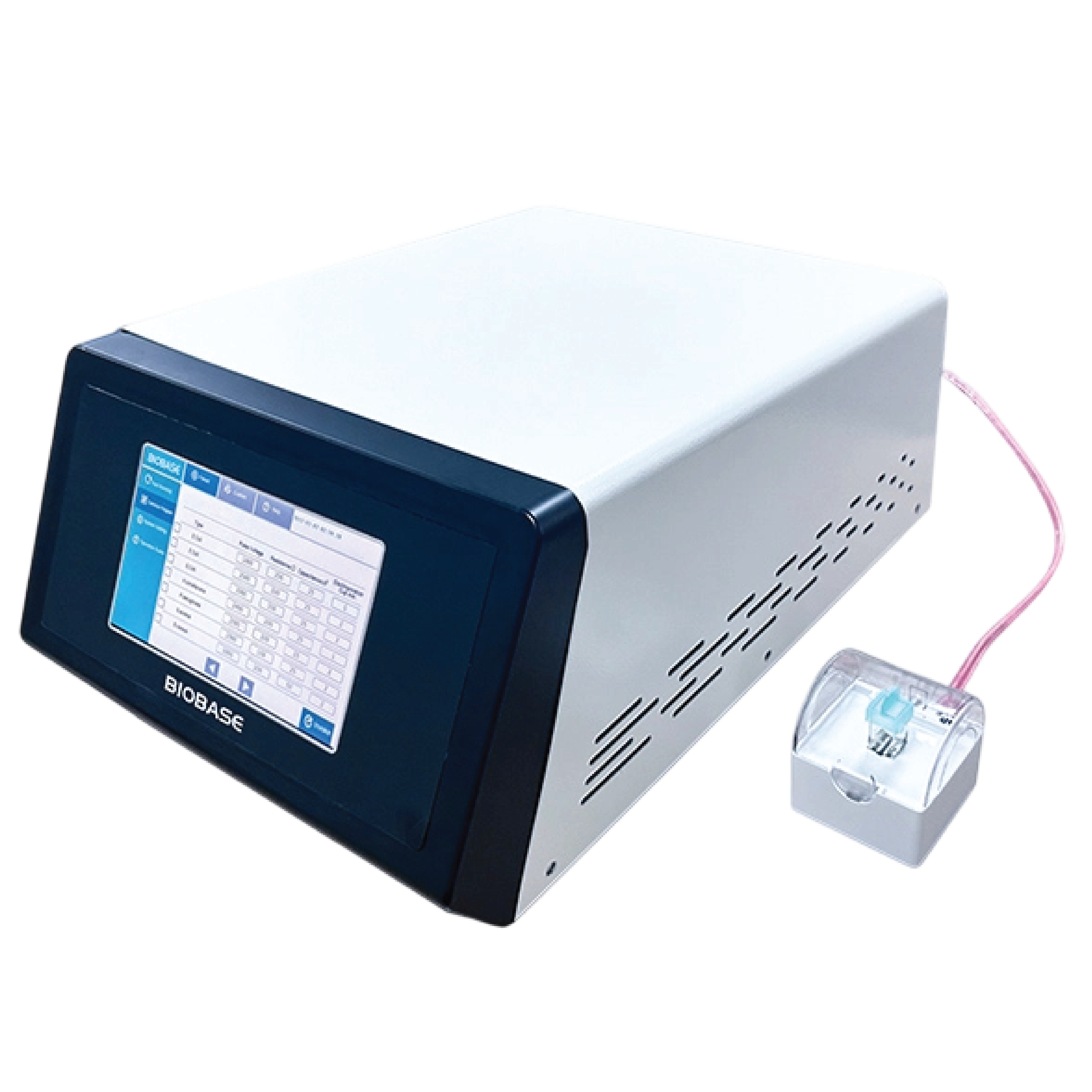
Physical Description: Bench-top electronic device with adjustable voltage and pulse settings, digital controls, and cuvette holders for processing biological samples.
Applications: Used in molecular biology, genetic engineering, microbiology, biotechnology, and research laboratories for gene transfer, transformation, and transfection of cells.
Storage Conditions: Store in a clean, dry laboratory environment; avoid exposure to moisture, dust, and extreme temperatures; ensure proper electrical safety conditions.
Key Features: Precise control of electrical parameters, high transfection efficiency, user-friendly interface, reproducible results, and compatibility with various cell types.
Electroporation of bacteria, yeast, and other microorganisms.
Transfection of mammalian cells, plant tissues, and protoplasts.
Cell hybridization and gene fusion.
Introduction of marker genes for labeling and indicating purposes.
Introduction of drugs, proteins, antibodies, and other molecules for studying cellular structure and function.
Pulse Type: Exponential decay
High Voltage Output: 401~3000V
Low Voltage Output: 50~400V
Operating System: Microcomputer control
Power Supply: AC 220V, 50/60Hz (standard); 110V, 50/60Hz (optional)
External Size (WDH): 400300200mm
Net Weight: 5.5kg
Standard Accessory: Gene seat1, cuvette2, fuse*2"
Product Name: Gene Electroporator – A laboratory instrument used to introduce DNA, RNA, or other molecules into cells through controlled electrical pulses.
Scientific Principle: Based on electroporation, where short electrical pulses create temporary pores in cell membranes, allowing nucleic acids or molecules to enter the cell.
Scientific Formula: Not applicable (electrical instrument; operates via voltage, capacitance, and pulse duration parameters).
Physical Description: Bench-top electronic device with adjustable voltage and pulse settings, digital controls, and cuvette holders for processing biological samples.
Applications: Used in molecular biology, genetic engineering, microbiology, biotechnology, and research laboratories for gene transfer, transformation, and transfection of cells.
Storage Conditions: Store in a clean, dry laboratory environment; avoid exposure to moisture, dust, and extreme temperatures; ensure proper electrical safety conditions.
Key Features: Precise control of electrical parameters, high transfection efficiency, user-friendly interface, reproducible results, and compatibility with various cell types.
Electroporation of bacteria, yeast, and other microorganisms.
Transfection of mammalian cells, plant tissues, and protoplasts.
Cell hybridization and gene fusion.
Introduction of marker genes for labeling and indicating purposes.
Introduction of drugs, proteins, antibodies, and other molecules for studying cellular structure and function.
Pulse Type: Exponential decay
High Voltage Output: 401~3000V
Low Voltage Output: 50~400V
Operating System: Microcomputer control
Power Supply: AC 220V, 50/60Hz (standard); 110V, 50/60Hz (optional)
External Size (WDH): 400300200mm
Net Weight: 5.5kg
Standard Accessory: Gene seat1, cuvette2, fuse*2"