

 Image 1 of 1
Acute Hepatopancreatic Necrosis Disease
(AHPND)IQ real kit
Product Name: Acute Hepatopancreatic Necrosis Disease (AHPND) IQ REAL Kit – A real-time PCR diagnostic kit designed for rapid detection of AHPND-causing bacteria in shrimp samples.
Scientific Target: Acute hepatopancreatic necrosis disease – detection of toxin-producing Vibrio species associated with AHPND.
Scientific Principle: Based on real-time Polymerase Chain Reaction (qPCR) for amplification and detection of specific bacterial toxin genes.
Scientific Formula: Not applicable (contains molecular reagents such as primers, probes, enzymes, and buffers).
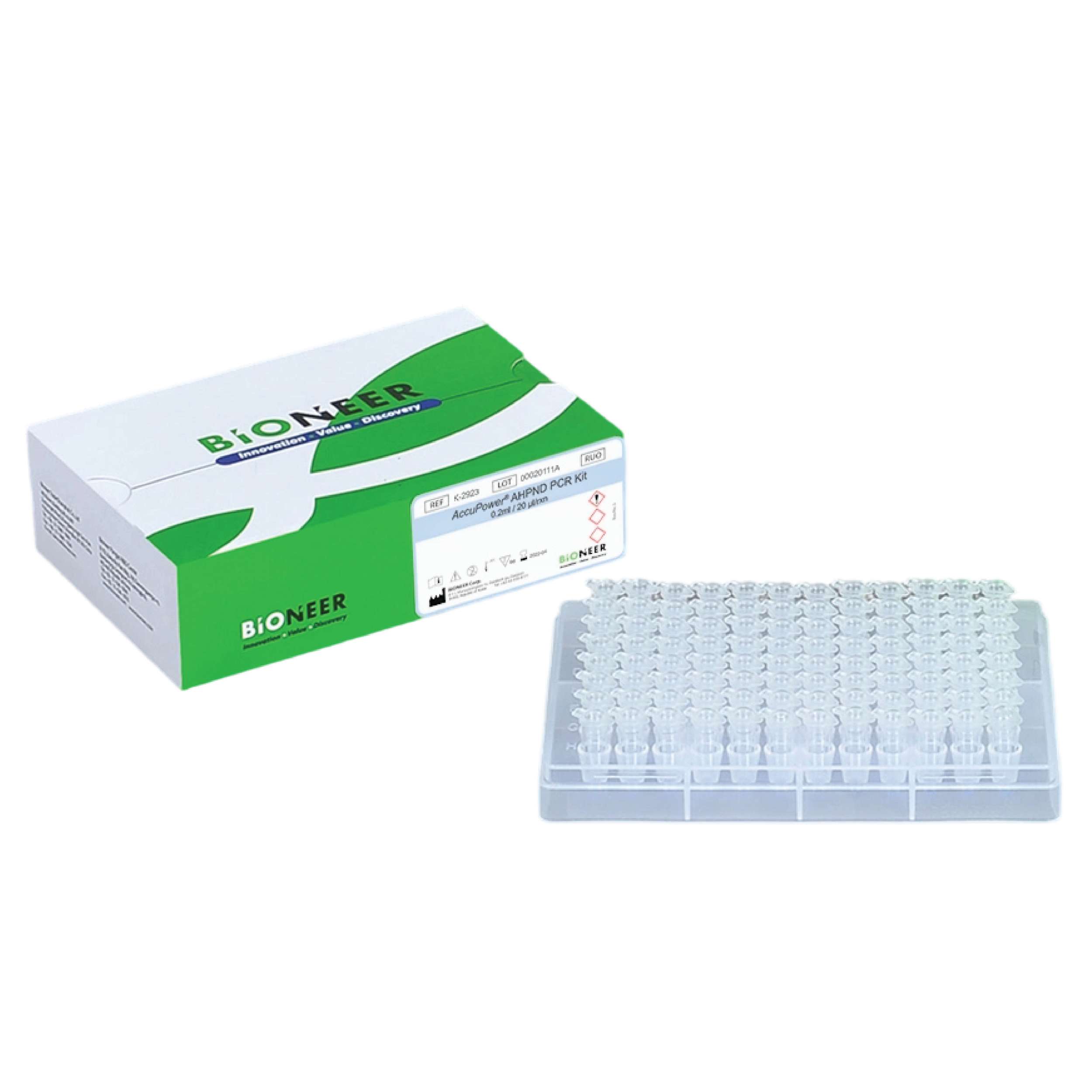
Physical Description: Complete kit containing optimized master mix, specific primers/probes, and control materials for accurate and reproducible testing.
Applications: Used in aquaculture farms, veterinary laboratories, shrimp hatcheries, and research institutions for early detection and control of AHPND outbreaks.
Storage Conditions: Store at -20°C; avoid repeated freeze-thaw cycles to maintain reagent stability and performance.
Key Features: High sensitivity and specificity, rapid results, quantitative detection, ready-to-use reagents, and compatibility with standard real-time PCR instruments.
Acute Hepatopancreatic Necrosis Disease
(AHPND)IQ real kit
Product Name: Acute Hepatopancreatic Necrosis Disease (AHPND) IQ REAL Kit – A real-time PCR diagnostic kit designed for rapid detection of AHPND-causing bacteria in shrimp samples.
Scientific Target: Acute hepatopancreatic necrosis disease – detection of toxin-producing Vibrio species associated with AHPND.
Scientific Principle: Based on real-time Polymerase Chain Reaction (qPCR) for amplification and detection of specific bacterial toxin genes.
Scientific Formula: Not applicable (contains molecular reagents such as primers, probes, enzymes, and buffers).
Physical Description: Complete kit containing optimized master mix, specific primers/probes, and control materials for accurate and reproducible testing.
Applications: Used in aquaculture farms, veterinary laboratories, shrimp hatcheries, and research institutions for early detection and control of AHPND outbreaks.
Storage Conditions: Store at -20°C; avoid repeated freeze-thaw cycles to maintain reagent stability and performance.
Key Features: High sensitivity and specificity, rapid results, quantitative detection, ready-to-use reagents, and compatibility with standard real-time PCR instruments.